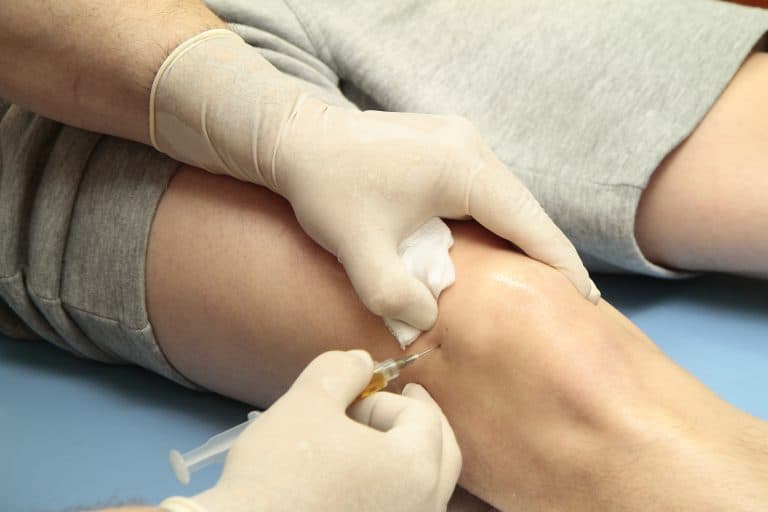



Innovative Approaches to Managing Osteochondritis Dissecans: Exploring Knee Cartilage Repair and Rehabilitation
Introduction
Osteochondritis dissecans (OCD) is a joint disorder in which a fragment of cartilage and underlying bone becomes loose or separates from the surrounding tissue, most often affecting the knee. This can lead to pain, swelling, and restricted movement, highlighting the need for effective treatment to maintain knee health. In this article, we'll explore the latest breakthroughs in knee cartilage repair for OCD and the modern rehabilitation methods that promote full recovery. Drawing on recent research, we highlight how these innovative approaches are boosting outcomes and bringing new hope to patients.
Recent Advances in Cartilage Repair Techniques
Exciting progress has been made in treating cartilage damage from OCD. One leading technique is autologous chondrocyte implantation (ACI): doctors harvest a small sample of healthy cartilage cells , grow more of them in the lab, and then reimplant these cells into the damaged area. This helps foster new cartilage growth that closely matches the original tissue.
Stem cell therapy is another promising development. Mesenchymal stem cells , in particular, can become cartilage cells and release substances that promote healing. Many of these treatments are now performed arthroscopically, using minimally invasive tools that mean smaller incisions, less pain, and faster recovery.
These techniques are a major improvement over older methods that simply managed symptoms. Now, the focus is on actually repairing and regenerating damaged cartilage to preserve the knee’s function in the long term. Early identification of OCD is key, as timely intervention can prevent further damage and reduce the risk of developing osteoarthritis .
Free non-medical discussion
Not sure what to do next?
Information only · No medical advice or diagnosis.
Modern Rehabilitation Strategies and Their Benefits
Cartilage repair is a crucial step, but rehabilitation is equally important for restoring strength and mobility. Today’s rehabilitation strategies emphasize early, controlled movement paired with exercises to improve muscle control and joint stability.
Unlike outdated recommendations for prolonged rest , current approaches encourage patients to start bearing weight and moving the knee in a gradual, guided manner as healing occurs. Techniques such as aquatic therapy allow for effective exercise with reduced joint strain , helping patients strengthen their muscles safely.
Clinical studies have found that patients following modern rehab protocols regain their function faster and have better long-term outcomes compared to those on traditional rehab plans. This underscores the importance of a personalized approach, since OCD can present in many ways and may require tailored rehabilitation .

Comparing Traditional and Innovative Treatments
Traditional treatments like extended rest and general physiotherapy often address only the symptoms, rather than the root problem: damaged cartilage. This can result in ongoing joint issues or even early-onset arthritis.
In contrast, the new surgical techniques aim to actually repair cartilage , and modern rehab plans are designed to support that process. While these innovative treatments might be more specialized and come with higher upfront costs, they offer substantial long-term benefits: reduced joint degeneration, quicker return to activity, and higher quality of life.
Recent research consistently demonstrates these advantages, making a strong case for adopting advanced treatments as the standard of care. Since OCD can affect the knee , ankle, or elbow, joint-specific treatment and rehab protocols are essential to address each patient’s unique needs.
Conclusion and Looking Ahead
Management of osteochondritis dissecans has advanced dramatically, with new surgical and rehabilitation techniques targeting both the underlying injury and recovery of function. A team-based, comprehensive approach gives patients the best chance at regaining full knee health.
Moving forward, ongoing research into stem cell therapies and more personalized rehabilitation will continue to improve care. With continued innovation, there is real hope for patients with OCD to enjoy long-lasting joint health and return to the activities they love.
By staying current with these developments, healthcare professionals can provide cutting- edge treatment and help patients achieve the best possible outcomes.
References
Hashim, S., Morgan, C., & Sarraf, K. M. (2023). Osteochondritis dissecans. British Journal of Hospital Medicine, 84(4), 1-7. https://doi.org/10.12968/hmed.2023.0044
Powell, J. H., & Whipple, T. L. (1986). Osteochondritis dissecans of the talus. Foot & Ankle, 6(6), 309-310. https://doi.org/10.1177/107110078600600606
Robins, G. M. (1978). Osteochondritis dissecans in the dog. Australian Veterinary Journal, 54(6), 272-279.
Legal & Medical Disclaimer
This article is written by an independent contributor and reflects their own views and experience, not necessarily those of London Cartilage Clinic. It is provided for general information and education only and does not constitute medical advice, diagnosis, or treatment.
Always seek personalised advice from a qualified healthcare professional before making decisions about your health. London Cartilage Clinic accepts no responsibility for errors, omissions, third-party content, or any loss, damage, or injury arising from reliance on this material.
If you believe this article contains inaccurate or infringing content, please contact us at [email protected].
London Cartilage Clinic
Modern treatments, designed for lasting knee outcomes
Every treatment plan is selected to help you return to the quality of life you deserve. Our team combines up-to-date techniques with consultant-led decision making across cartilage repair, regeneration and replacement.
What your journey can look like
Step 01
Consultant-Led Assessment
Symptoms, imaging and goals reviewed in one structured appointment.
Step 02
Personalised Treatment Plan
A clear route chosen from repair, regeneration or replacement options.
Step 03
Precision Delivery
Modern techniques and specialist equipment matched to your diagnosis.
Step 04
Long-Term Knee Health
Follow-up guidance focused on durable function and quality of life.
PAAG-8+ Questionnaire
A bright, structured entry point for patients exploring Arthrosamid. The questionnaire helps frame suitability, expectations, and 24-month clinical benefit discussion before a fuller consultant-led review.
Designed for shared decision-making. It does not replace specialist consultation, examination, imaging review, or formal medical advice.